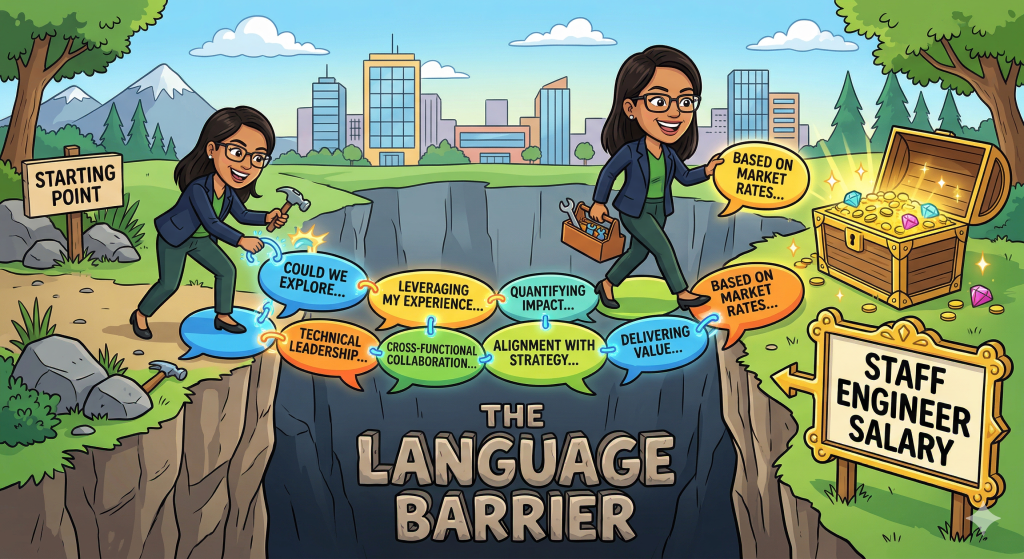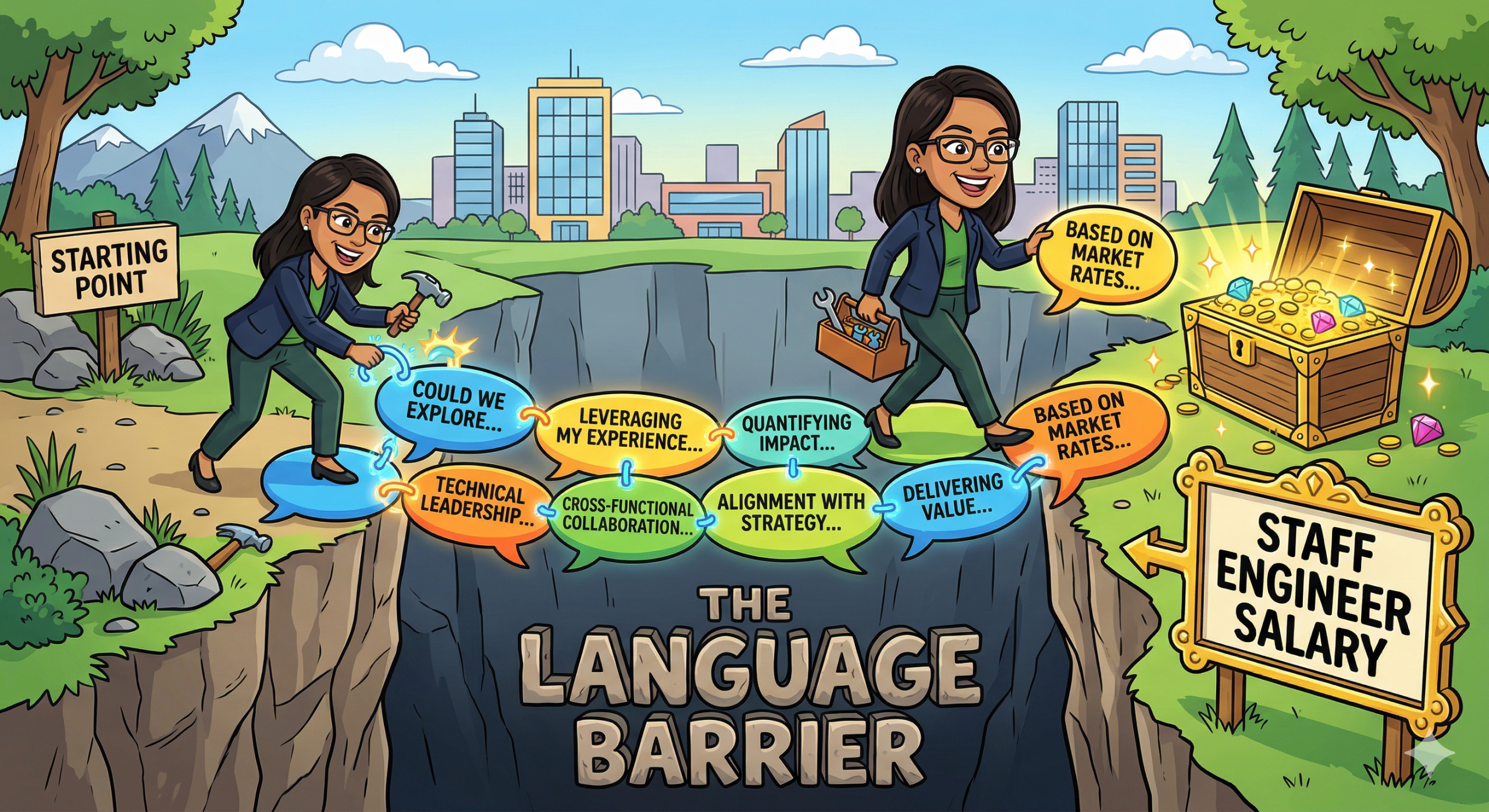
Are you a talented tech professional working in a second language? Do you feel nervous when it is time to talk about money? You are not alone.
Many non-native English speakers feel underpaid simply because they are afraid of the negotiation process. The fear of sounding rude, using the wrong grammar, or losing the job offer keeps many developers and engineers from asking for what they deserve.
However, learning how to negotiate a tech salary with English phrases is one of the most valuable skills you can develop. In this complete guide, you will learn exactly what to say to get the pay you deserve. We will provide you with natural, polite, and strong scripts that you can use confidently in your next interview.
Why Salary Negotiation Skills Matter in Tech (2026 Context)
The tech industry in 2026 is constantly changing. We live in a world of remote work and global hiring.
Companies are no longer restricted by geography. They want the best global talent, especially in high-demand areas like Artificial Intelligence, machine learning, and cloud computing.
Because of inflation and the rising cost of living worldwide, tech companies have adjusted their budgets. They are willing to pay top dollar for professionals who bring both technical skills and strong communication.
However, employers will rarely offer you their maximum budget right away. They expect you to negotiate. If you do not have the right tech job negotiation tips, you might leave thousands of dollars on the table.
Key Principles Before You Negotiate
Before we look at the exact English for salary negotiation, you need a strong strategy. Negotiation is not just about words; it is about preparation.
Research Market Salary Entering a negotiation without data is like flying blind. You must know your market value. Use reliable tech compensation websites like Levels.fyi, Glassdoor, and Blind to find exact numbers. Look for salaries based on your specific role, location, and years of experience.
Timing (The Offer Stage) Never try to negotiate your salary during the first interview. Your power is lowest at the beginning. Your "power peaks" at the offer stage. This is the window of time after they have given you a written offer but before you sign it.
Confidence vs. Politeness in English In English business culture, there is a careful balance between being confident and being polite. You do not want to sound aggressive, but you also cannot sound weak. Using "softeners" (like could, would, perhaps) helps you sound respectful while firmly asking for more money.
How to Negotiate a Tech Salary with English Phrases: Essential Scripts
This section breaks down the exact salary negotiation phrases you need for every stage of the hiring process.
Asking About Salary Range
When recruiters ask, "What are your salary expectations?" early in the process, it is usually best to deflect the question. You want them to give a number first.
- Phrase 1:"I am confident we can find a mutually agreeable package once we determine I am the right fit. Could you share the approved budget for this role?"
- When to use it: During the first phone screening with the recruiter.
- Why it works: It shows you are focused on the job, not just the money, while politely asking them to reveal their budget.
- Phrase 2:"Before I share a specific number, I would love to understand the company's compensation band for someone at my level."
- When to use it: When the recruiter pushes you for a specific number.
- Why it works: "Compensation band" is a highly professional industry term. It shows you understand how corporate pay works.
- Phrase 3:"My expectations are in line with current market rates for a Senior Developer in this region. What range do you usually offer for this position?"
- When to use it: When you want to show you have done your market research.
- Why it works: It anchors your value to the market data without boxing yourself into a low number.
Responding to an Offer
When you finally receive the written offer, do not accept it immediately. Take time to review it. (Note: If the recruiter makes a verbal offer but takes too long to send the official document, sending a polite follow-up email in English is a great way to keep the process moving professionally).
- Phrase 1:"Thank you so much for the offer. I am genuinely excited about the opportunity to join the team. I would like to take a day or two to review the details before making a final decision."
- When to use it: Immediately after receiving the verbal or written offer.
- Why it works: It shows gratitude and excitement, but buys you time to plan your negotiation strategy.
- Phrase 2:"I am thrilled to receive this offer, and I am very eager to start contributing to the project. However, I would like to discuss the base salary before I sign."
- When to use it: When you are ready to start the actual negotiation conversation.
- Why it works: It sandwiches the negotiation (the difficult part) between two positive, enthusiastic statements.
Negotiating Higher Pay
This is where many non-native speakers freeze. If you are wondering how to ask for higher salary in English, use these data-backed scripts.
- Phrase 1:"Based on my research of market rates for this role, and given my specialized experience in AI integration, I was expecting a base salary closer to $150,000. Is there flexibility to bring the base closer to this number?"
- When to use it: When you have clear data showing their offer is below market average.
- Why it works: It removes emotion. You are not asking for money because you want it; you are asking because the market data supports it.
- Phrase 2:"I have another competitive offer that is offering a higher base salary. However, your company is my top choice. If we can match the base pay of $X, I would be ready to sign today."
- When to use it: Only when you actually have a competing job offer.
- Why it works: It creates urgency. "Ready to sign today" is a powerful phrase recruiters love to hear.
Negotiating Benefits (bonus, equity, remote, etc.)
Sometimes, a company truly cannot increase the base salary. Do not give up! In tech, the base salary is only one part of your Total Compensation.
- Phrase 1:"I understand that the base salary is fixed. In that case, could we explore a one-time signing bonus to bridge the gap?"
- When to use it: When the recruiter says the base pay is strict or non-negotiable.
- Why it works: A signing bonus is a one-time cost for the company, making it much easier for them to approve than a permanent salary increase.
- Phrase 2:"If there is no room to move on the salary, would it be possible to increase the initial equity grant (RSUs)?"
- When to use it: When negotiating with startups or large tech companies that offer stock.
- Why it works: It shows you are invested in the long-term success of the company.
- Phrase 3:"Since the compensation is slightly below my target, I would like to ask about remote work flexibility. Could we agree to fully remote work or an extra week of paid time off?"
- When to use it: When money is completely off the table, but you value lifestyle benefits.
- Why it works: It pivots the conversation to non-monetary benefits that are easy for managers to approve.
Handling Pushback
Recruiters are trained to say "no" the first time you ask. You must stay calm and professional when they push back. If their final offer is still entirely unacceptable and you decide to walk away, learning how to say “no” professionally in an email ensures you don't burn bridges.
- Phrase 1:"I completely understand your budget constraints. Is there any creative way we can close this gap, perhaps with a performance review in six months instead of twelve?"
- When to use it: When the recruiter rejects your first counter-offer.
- Why it works: It shows you are a collaborative problem solver, and it sets you up for a raise very soon.
- Phrase 2:"I appreciate you checking with the team. While it is lower than my initial target, I am very excited about the role itself. Let's move forward."
- When to use it: When you have negotiated as much as possible and are ready to accept the final offer.
- Why it works: It ends the negotiation on a highly positive and professional note.
Full Example Conversation (Script)
Let’s see how these phrases work in the real world. Here is a realistic dialogue between a tech candidate (Alex) and a Recruiter (Sarah).
Sarah (Recruiter): "Hi Alex, I have great news. The team loved you, and we would like to offer you the Senior Developer role! The base salary is $130,000."
Alex (Candidate): "Hi Sarah, that is wonderful news! Thank you so much. I am genuinely excited about the opportunity to join the team. Is there a written offer you can send over for me to review?"
Sarah: "Yes, I will email it to you today. What do you think of the numbers?"
Alex: "I am thrilled to receive the offer. However, I would like to discuss the base salary. Based on my research of market rates in this region, and my specialized experience, I was expecting a base closer to $145,000. Is there flexibility to move closer to that number?"
Sarah: "I understand, Alex. Unfortunately, $130,000 is the top of our band for this specific level. We really can't go higher on the base."
Alex: "I completely understand that the base salary may be fixed due to internal budgets. If that’s the case, could we explore a one-time signing bonus of $10,000 to help bridge the gap?"
Sarah: "Let me take that back to the hiring manager. I think a signing bonus might be possible. I will call you back tomorrow!"
Common Mistakes to Avoid
Even with the best scripts, a small mistake can hurt your chances. Avoid these common errors non-native English speakers make.
Being Too Direct or Aggressive Saying "I want more money" or "This is not enough" sounds very rude in Western business culture. Always use softeners like "I was hoping for" or "Could we explore..."
Being Too Vague Do not say, "Whatever you think is fair." The recruiter's job is to save the company money. If you are vague, they will give you the lowest possible number. Always anchor your request with specific numbers.
Accepting Too Quickly Never say "Yes, I accept!" on the phone immediately. Always show gratitude, ask for the written offer, and take 24 hours to review it.
Pro Tips for Non-Native English Speakers
Negotiating in a second language can feel overwhelming. Keep these pro tips in mind to boost your confidence.
Master the Tone (Softening Language) In English, politeness is often communicated through indirect language. Instead of saying, "Give me a higher salary," say, "Would it be possible to increase the salary?" This subtle shift makes a huge difference in how you are perceived.
Frame with Confidence Do not apologize for negotiating. Never say, "I am sorry to ask, but..." You earned this offer! Speak slowly, state your research clearly, and do not fill the silence. After you make your request, stop talking and wait for their answer.
Practice Makes Professional Do not let your first time saying these words be during the actual negotiation. Practice these scripts out loud until they feel completely natural. If you want to build genuine confidence, we highly recommend practicing with a professional who understands corporate English. Here are our top resources for tech professionals:
- Preply: Excellent for finding affordable 1-on-1 tutors with corporate backgrounds who can help you refine your specific scripts. If you are debating which platform to use, read our detailed Preply vs italki 2026 comparison.
- British Council: The gold standard for structured, high-quality business English courses that will help you master tone and workplace etiquette.
- Italki: Perfect for booking flexible sessions with former tech recruiters to role-play high-stakes salary negotiations. See why we love this platform in our full italki Review for 2026.
Conclusion
Salary negotiation in 2026 is a standard business practice. It is a collaborative problem-solving exercise, not an argument. By preparing your data and mastering these precise English scripts, you can change the conversation from "asking for more" to "aligning value."
Do not leave money on the table just because of a language barrier. The tech industry expects you to negotiate. Use the phrases in this guide to build your confidence and secure the compensation package you truly deserve.
If you want to practice these high-stakes conversations before your next interview, consider booking a role-play session on Italki or finding a dedicated Business English tutor on Preply. Start your next career move with a strong strategy today!